ABTRACT:
Mental health has evolved from a misunderstood and stigmatized condition to a recognized and scientifically studied aspect of human well-being. This report examines the historical development of mental health awareness, beginning with the early mental hygiene movement led by Clifford Beers (1876–1943) and the establishment of organized reform efforts in the early twentieth century. It explores how personal testimony, institutional reform, and international advocacy laid the foundation for modern mental health systems.
The study further analyzes the influential role of literature in shaping societal perceptions of psychological suffering, with particular attention to the works of Fyodor Dostoevsky (1821–1881). Through novels such as Crime and Punishment (1866), The Idiot (1869), and The Brothers Karamazov (1880), literary portrayals of internal conflict, guilt, and existential despair contributed to a more humanized understanding of mental distress. Finally, the report discusses how scientific advancements, including the publication of the Diagnostic and Statistical Manual of Mental Disorders by the American Psychiatric Association (2013), have transformed the identification, treatment, and support of mental illness. The findings suggest that modern mental health care is the result of an ongoing interaction between lived experience, cultural representation, and empirical research, reflecting both scientific progress and a deeper societal commitment to empathy and understanding.

Introduction
Simple distractions like shopping, eating comfort food, baking, or spending time with loved ones may offer temporary relief, but they rarely silence the persistent weight of mental struggle. For centuries, mental illness—an invisible and deeply personal battle—was misunderstood, feared, and dismissed. Those who behaved differently were labeled “mad” rather than helped. Over time, however, perspectives have shifted. As Leonard Cohen suggests, cracks allow light to enter; modern medicine and research have opened that crack, bringing greater awareness, compassion, and treatment options. Society has progressed significantly from earlier eras when mental health was ignored or stigmatized. This report explores the historical treatment of mental illness, the pioneers who advanced its study, and the individuals who endured its consequences. It also examines how personal narratives, literature, and scientific breakthroughs have shaped our current understanding and care of mental health.
literature review +
findings and discussions
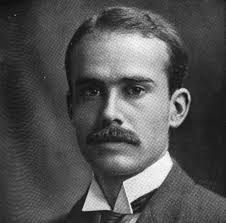
The development of mental health understanding has evolved through historical reform, personal testimony, literature, and scientific advancement. Although references to mental illness predate the twentieth century, the term “mental health” gained formal recognition in 1946, emerging from the earlier concept of “mental hygiene.” The movement gained momentum in 1908 through Clifford Beers’ autobiographical work A Mind That Found Itself, which exposed institutional abuses and led to the establishment of the National Committee for Mental Hygiene in 1909. The movement expanded internationally and emphasized both humane treatment and prevention, framing mental health as a public health responsibility.
(Image 1)
Over time, understanding progressed through both subjective and scientific paths. Early views rooted in moral judgment gradually shifted as autobiographical accounts and literature humanized psychological suffering. Writers such as Fyodor Dostoevsky portrayed mental distress as intertwined with morality, identity, and existential struggle, challenging stigma and simplistic medical interpretations. Meanwhile, psychiatry advanced through standardized diagnostic systems and psychopharmacology, transforming treatment from confinement to evidence-based care. Modern mental health frameworks now reflect a biopsychosocial model, integrating biological, psychological, and environmental factors. Ultimately, progress in mental health has depended on the combined influence of scientific innovation and lived experience.
(Image 2)
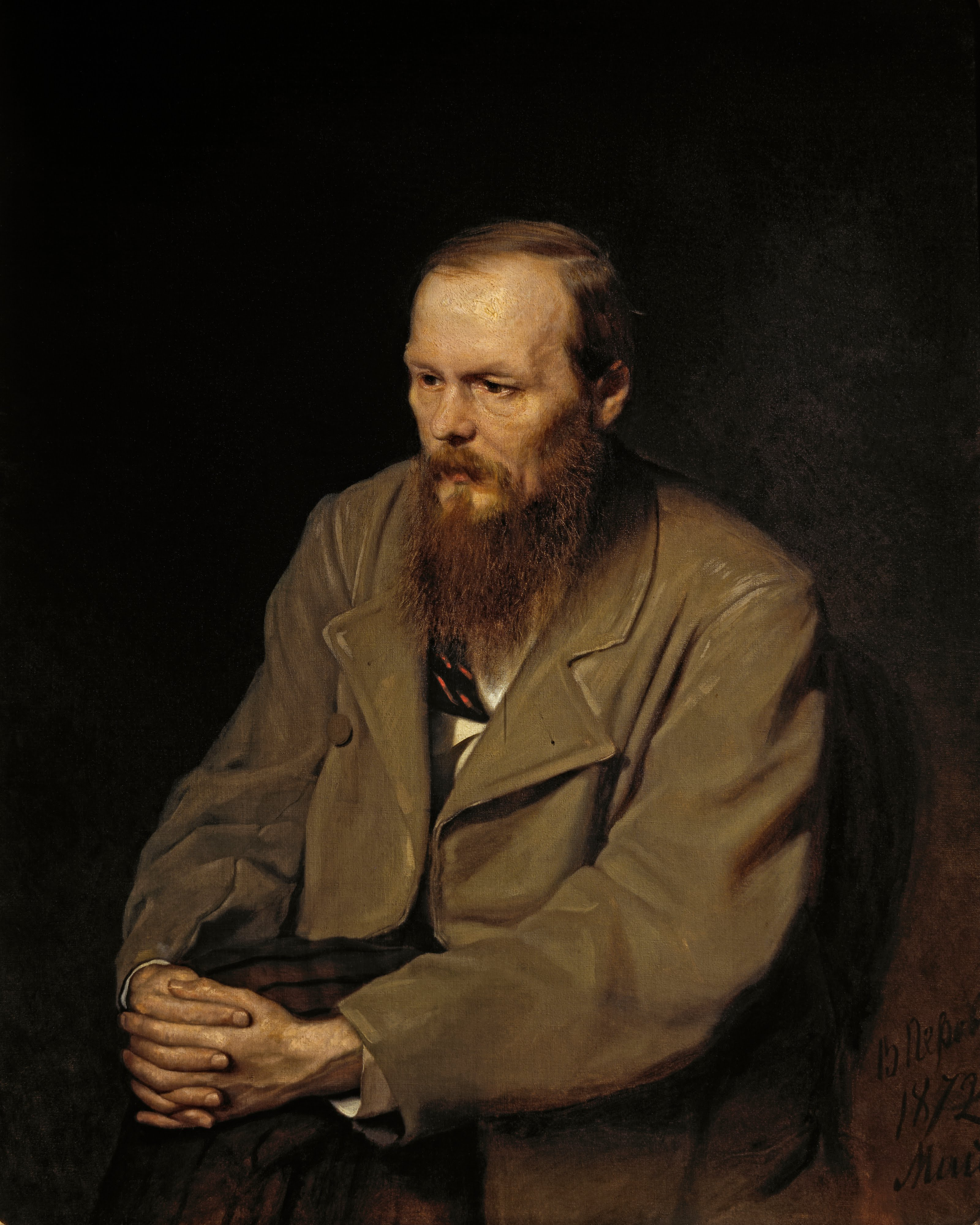
Image 1: Clifford Beers
Image 2: Fyodor Dostoevsky
Conclusion + Report link
The history of mental health illustrates a profound shift in how psychological suffering is understood and addressed. Once dismissed as madness or moral weakness, mental illness gradually gained recognition as a legitimate medical and social concern. Reformers like Clifford Beers (1876–1943) exposed institutional abuses and advocated for humane treatment, laying the foundation for organized mental health movements and international reform efforts. Their work marked the transition from neglect and confinement toward care, prevention, and public awareness.Literature played an equally significant role, offering insight into the internal realities of mental distress. Fyodor Dostoevsky (1821–1881), through characters struggling with guilt, alienation, and existential uncertainty, challenged narrow definitions of insanity and highlighted the complexity of psychological suffering. His works demonstrate how personal experience and artistic expression can influence public understanding and foster empathy.Scientific and medical advancements, including the development of standardized diagnostic frameworks such as the Diagnostic and Statistical Manual of Mental Disorders (American Psychiatric Association, 2013), transformed care from custodial confinement to therapeutic intervention and community-based support. Yet progress depends not only on science but also on narrative, empathy, and social awareness.The evolution of mental health reflects a societal awakening: recognizing psychological suffering as a deeply human experience that demands both knowledge and compassion. Integrating empirical research with lived experience remains vital for advancing mental health care.